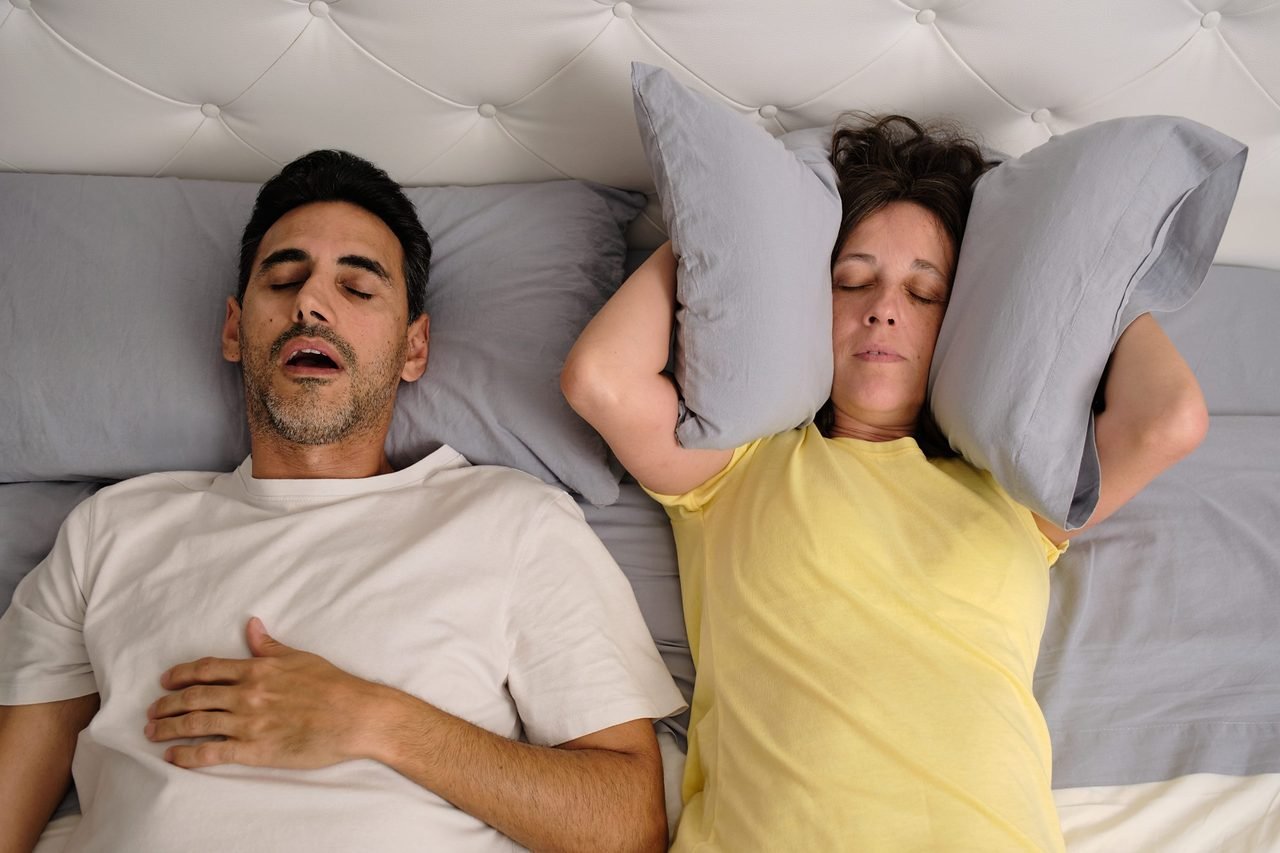
If you have already looked into dental sleep medicine and snoring appliances have come up as a possible option, the next question is usually what that actually involves and whether it is worth pursuing for your specific situation.
This guide covers what a snoring appliance generally is at a high level, how it fits within University Dental Group's dental sleep medicine service, and what the conversation with your dentist tends to look like if you decide to bring it up.
A snoring appliance is an FDA-cleared oral device that repositions the jaw to help keep the airway open during sleep. University Dental Group offers snoring guards directly as part of its dental sleep medicine service, though whether one is the right fit for you specifically still comes down to an evaluation with your dentist.
What a Snoring Appliance Generally Is
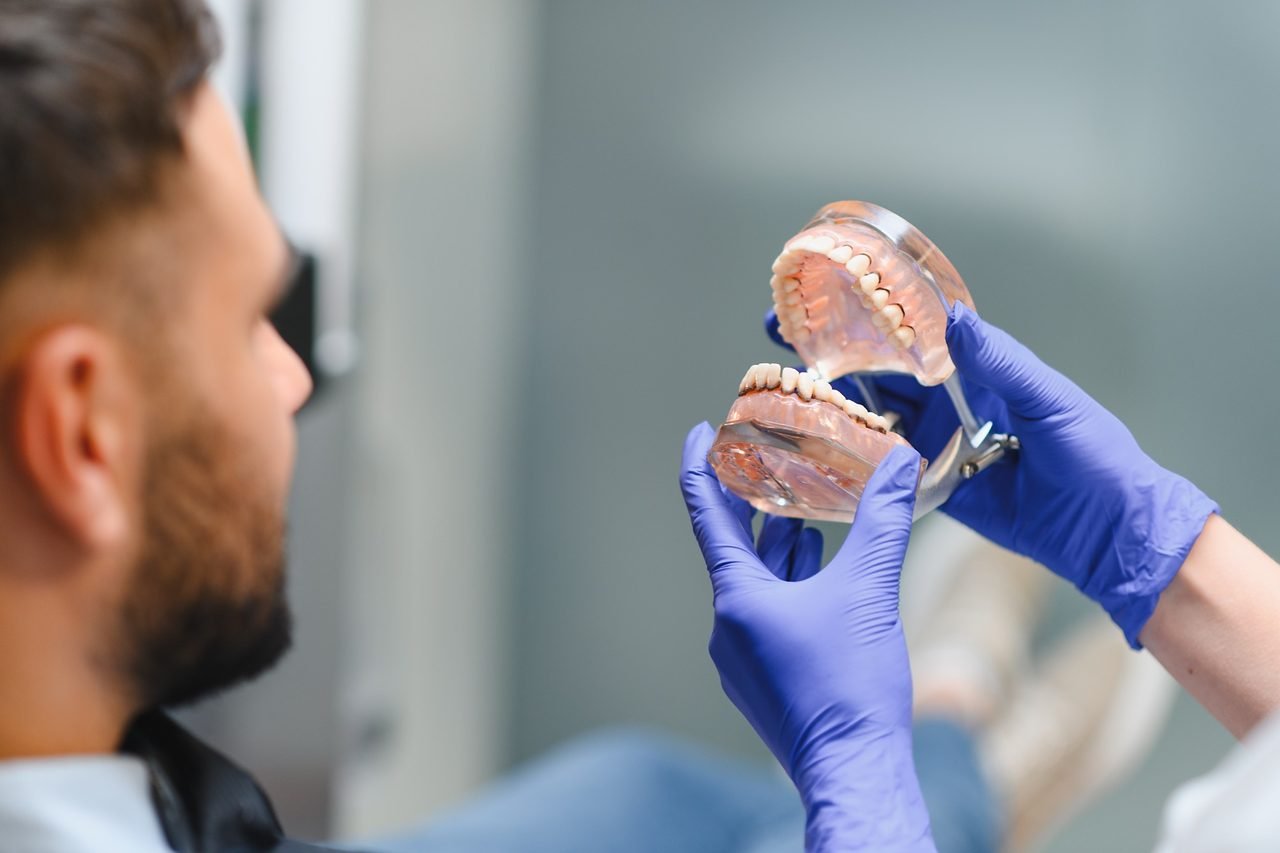
A snoring appliance, often called a snoring guard, is an FDA-cleared type of oral appliance built specifically to treat snoring. It works by holding the jaw in a slightly forward, upward position during sleep, which helps keep the airway open and reduces the vibration in the soft tissue that causes snoring. Like other oral appliances used in dental sleep medicine, it is worn only at night, fits similarly to a sports mouth guard, and is small enough to pack for travel, so no machine or bulky equipment is involved. The specifics of any particular appliance, along with whether one is appropriate for you, still depend on an individual evaluation with a dentist.
A snoring guard is not the only snoring-specific option at the practice. University Dental Group also offers Nightlase, a quick in-office laser treatment that reduces snoring without any device worn during sleep, using laser light to gently tighten the tissue around the airway. Which of the two makes more sense, if either, is part of what an evaluation at the practice is for.
| Option | What it involves |
|---|---|
| Snoring guard | FDA-cleared oral appliance worn every night; fits like a sports mouth guard; no in-office procedure needed to use it |
| Nightlase | In-office laser procedure; no device worn during sleep; no anesthesia; little to no post-procedure discomfort |
With those two options in mind, here is how a snoring appliance fits into the broader dental sleep medicine picture at a general level.
| Aspect | Dental sleep medicine (general) | Snoring appliance (specific option) |
|---|---|---|
| Scope | Broad category covering screening, evaluation, and treatment for snoring and sleep-related concerns | One specific option that may come up within that category |
| Decision point | Whether the topic is worth discussing at all | Whether a device-based option fits your particular case |
| Who decides | Patient and dentist, based on an initial conversation | Dentist, based on an individual evaluation |
Because this table stays at a general level on purpose, treat it as a starting point for a conversation rather than a substitute for one. Your dentist is the only one who can tell you whether a snoring appliance specifically applies to your situation, and what that would involve for you.
Where This Fits Within Dental Sleep Medicine at University Dental Group
A snoring appliance is one of more than one snoring-specific option University Dental Group offers as part of its dental sleep medicine service. Alongside snoring guards, the practice also provides Nightlase, a laser treatment for snoring that involves no device worn during sleep, giving patients a choice depending on what fits their situation, on top of the rest of its general and family dentistry services.
Family-owned since 1987, University Dental Group treats a topic like this the same way it treats any other area of dental care: as part of an ongoing relationship with a patient rather than a single, isolated transaction. That context matters for something like a snoring appliance, since it is the kind of option that benefits from a dentist who already has a sense of your dental history rather than a one-time evaluation.
If you are interested in exploring whether a snoring appliance could be right for you, the starting point is the same as for any dental sleep medicine conversation: dental sleep medicine at University Dental Group is where that discussion begins, rather than a request you would make separately.
Contact University Dental Group to start the conversation.
How the Conversation Typically Unfolds
Because a snoring appliance is not something a patient can simply request without an evaluation, the process tends to happen in stages rather than all at once.
| Stage | What it generally involves |
|---|---|
| Initial conversation | You raise snoring or sleep-related concerns with your dentist, or your dentist asks during a routine visit |
| Evaluation | Your dentist looks at your individual situation to see whether further exploration makes sense |
| Next steps | Your dentist explains what options, if any, fit your case and what comes after |
The exact details of each stage are specific to the individual patient, so the University Dental Group team is the right source for what to expect in your own case rather than a general guide like this one.
Before You Bring It Up
A snoring appliance is not automatically the right fit for every situation, which is part of why this starts as a conversation rather than something you would request outright.
Bringing up a snoring appliance with your dentist does not mean you will necessarily end up with one. Your dentist may suggest it, rule it out, or recommend exploring the topic further first, depending on what comes up during your evaluation. Going in with that expectation tends to make the conversation more useful.
It can also help to think about what prompted you to look into this in the first place, whether that is your own observations, something a partner or family member has mentioned, or a general curiosity about your options. Sharing that context with your dentist gives them a clearer picture to work from than a general question alone would.