Most people book a cleaning because it is time, not because they know what actually happens in the chair. That gap matters. A cleaning is the appointment where gum disease gets caught before it costs you a tooth, where a cracked filling gets spotted, and where the hygienist can tell you exactly which two spots your brush keeps missing.
This guide walks through what a professional teeth cleaning in Orlando includes, step by step, why a toothbrush alone cannot do the same job, how a routine cleaning differs from a deep cleaning, and what determines how often you should come in. No sales pitch, just what the visit involves.
A professional teeth cleaning removes the plaque and hardened tartar that brushing cannot reach, polishes the enamel, and gives the hygienist a close look at your gums. Most appointments run under an hour. Many healthy adults are seen twice a year, though your dentist may set a different interval based on your gum health.
What Happens During a Professional Teeth Cleaning
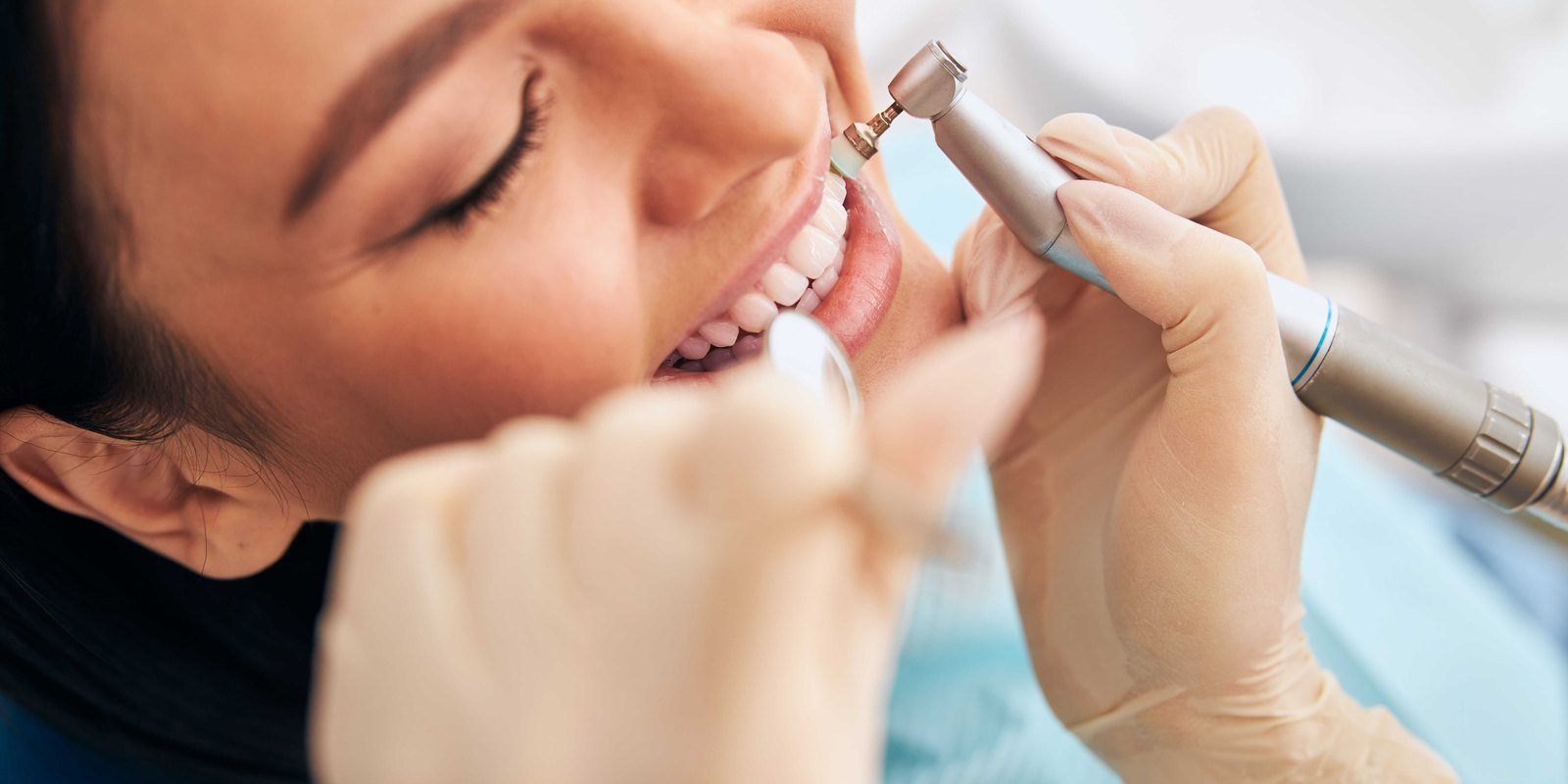
A cleaning follows a predictable sequence: a visual exam of the teeth and gums, removal of plaque and tartar using hand instruments and an ultrasonic scaler, polishing with a mildly abrasive paste, flossing between every contact point, and in many cases a fluoride application. For a patient with healthy gums, the whole appointment usually runs forty five to sixty minutes.
The exam comes first
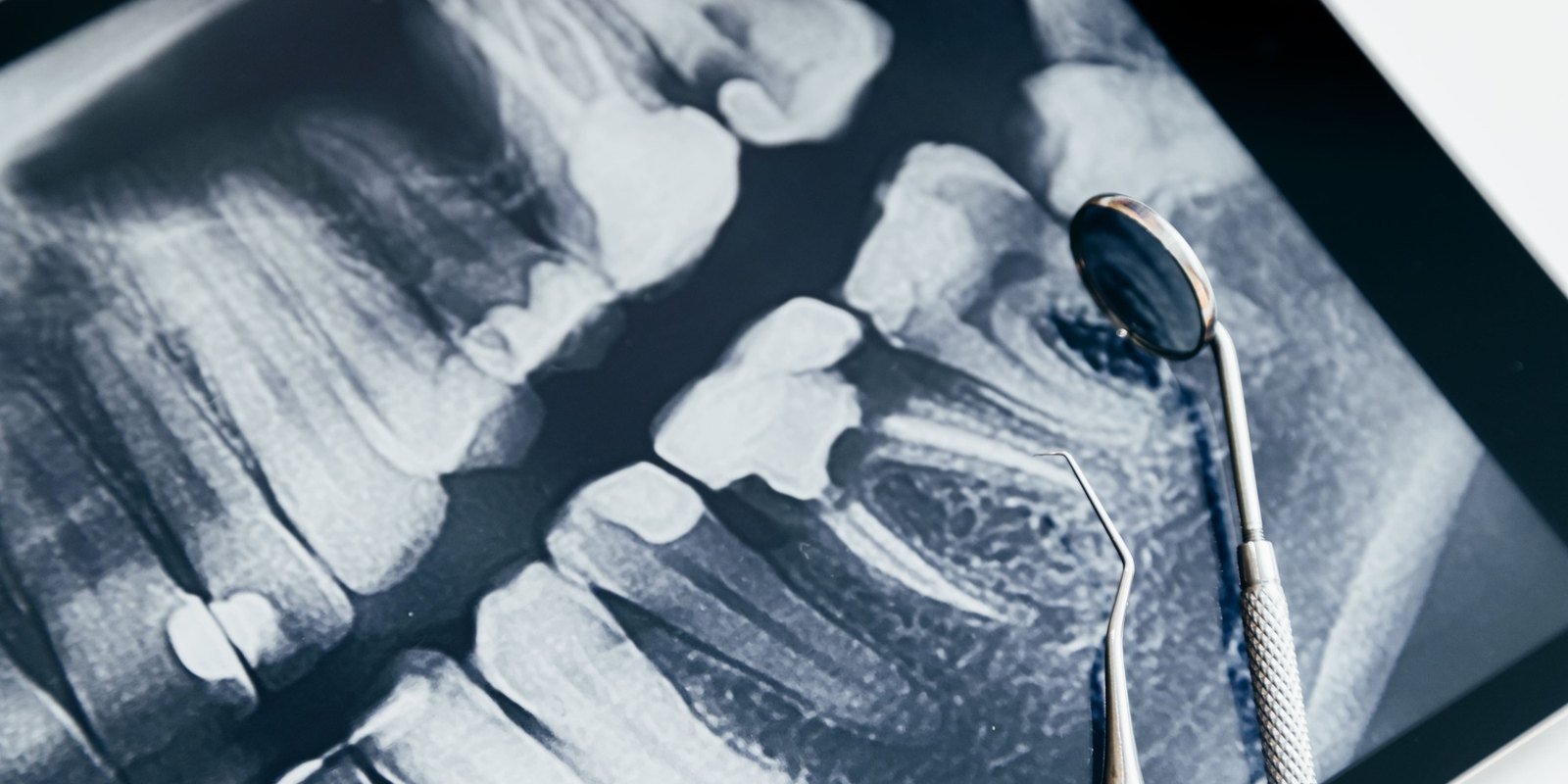
Before any instrument touches a tooth, the hygienist looks at the soft tissue, checks for swelling or bleeding, and measures the space between the gum and the tooth. Imaging may be taken if it has been a while since the last set. At University Dental Group, that assessment is part of our preventive services, and it is what determines whether a routine cleaning is appropriate or whether something more involved is needed.
Scaling removes what a toothbrush leaves behind
Scaling is the core of the visit. An ultrasonic scaler uses high frequency vibration and a water spray to break up larger deposits, and hand instruments finish the detail work along the gumline and between teeth. You may hear scraping and feel pressure, but it should not be painful. The instruments, the sterilization protocols, and the imaging equipment behind that work are covered under the technology and safety standards we follow. The Centers for Disease Control and Prevention publishes the infection control guidelines that dental offices in the United States are expected to meet.
Polishing, flossing, and fluoride
Polishing uses a rubber cup and a gritty prophylaxis paste to smooth the enamel surface, which makes it harder for new plaque to grab hold. The hygienist then flosses every contact, partly to clear polishing paste and partly to find spots that bleed. A fluoride varnish or gel may follow, especially for patients with a history of decay or exposed root surfaces.
Why Brushing at Home Cannot Remove Tartar
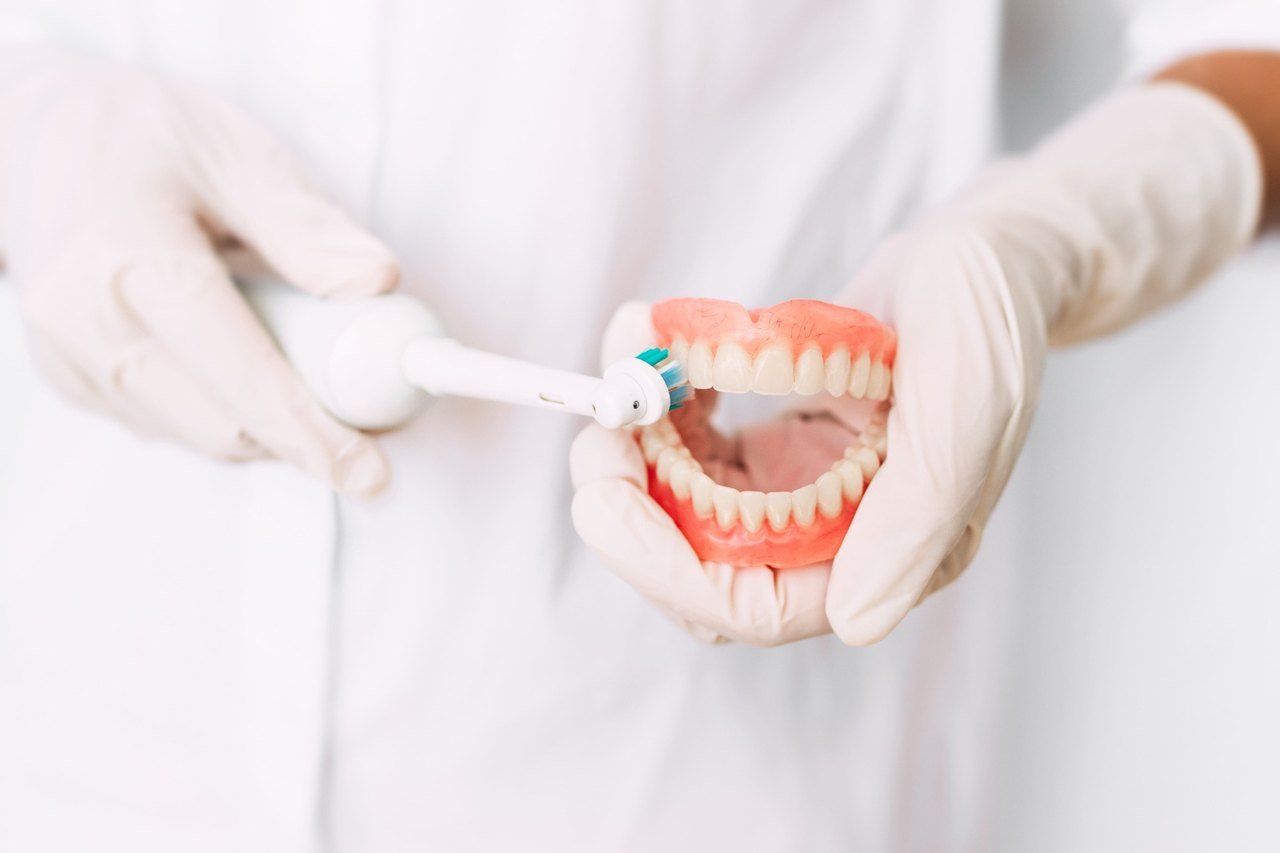
Brushing and flossing remove plaque, which is soft. What they cannot remove is calculus, commonly called tartar, which forms when plaque left in place begins to mineralize with calcium from your saliva. That process starts within a day or two. Once it hardens, no toothbrush, whitening toothpaste, or water flosser will take it off.
Tartar matters for a reason beyond appearance. Its surface is rough and porous, so it holds bacteria against the gumline far more effectively than smooth enamel does. That sustained contact is what drives gingivitis, the early inflammation stage where gums bleed during brushing. At that point the condition is still reversible. Left alone, it can progress into periodontitis, where the supporting bone begins to break down, and that damage does not come back.
This is the whole argument for a regular cleaning schedule. The appointment resets the surfaces, so the bacteria have to start over rather than building on a foundation that has been accumulating for two years.
Routine Cleaning vs. Deep Cleaning: How the Decision Is Made
A routine cleaning, clinically called a prophylaxis, treats teeth and gums that are healthy or close to it. A deep cleaning, known as scaling and root planing, goes below the gumline to clean the root surfaces inside periodontal pockets. The dentist decides between them based on measurable findings, not on preference or on how long it has been since your last visit.
The main measurement is pocket depth, taken with a small probe at several points around each tooth. Shallow pockets that do not bleed point toward a routine cleaning. Deeper pockets, bleeding on probing, visible tartar below the gumline, or bone loss on imaging point toward scaling and root planing, which is usually done over more than one visit and often with local anesthetic. If that is where your assessment lands, treatment moves into periodontal care rather than staying in the preventive category.
Patients sometimes hear the deep cleaning recommendation as an upsell. It is worth understanding that the two procedures treat different conditions. Performing a routine polish on a mouth with active periodontal disease leaves the bacteria in the pockets untouched, which is where the damage is actually happening.
How Often You Should Schedule a Cleaning
Twice a year is the familiar answer, and it fits a lot of people, but it is not a rule that applies to everyone. According to the American Dental Association, the interval between preventive visits should be set according to each patient's individual risk rather than a fixed schedule applied to the whole population. Some patients do better at three or four month intervals. Others with consistently healthy tissue may be fine with less frequent visits, and the dentist you see should tell you which group you are in and why.
Several factors shorten the recommended interval. A history of gum disease is the biggest one. Smoking, diabetes, pregnancy, dry mouth from medication, orthodontic appliances that trap plaque, and a track record of heavy tartar buildup all push toward more frequent visits. Patients who have completed scaling and root planing typically move onto a periodontal maintenance schedule, which is more frequent than a standard recall.
What Affects the Cost of a Professional Cleaning
The variable that moves the number most is which procedure you actually need. A routine cleaning and a full quadrant of scaling and root planing are different treatments with different chair time, so they are not priced the same way. Whether the visit includes an exam, imaging, or fluoride also changes what the appointment covers.
Insurance is the other variable. Many plans cover preventive cleanings at a higher percentage than restorative work, but frequency limits and annual maximums differ plan to plan. For patients without coverage, our in house membership plans are built to make routine preventive care predictable rather than something that gets postponed. The most reliable way to know what your own visit involves is to have the assessment done and get the specifics for your situation.
That is a common place to start and not a reason to put it off further. Schedule an appointment with our Orlando team and we will take it from there.
Frequently Asked Questions
How long does a teeth cleaning take?
Most routine cleanings run forty five to sixty minutes, including the exam and any imaging. Appointments run longer when there is heavy tartar buildup, when it has been several years since the last visit, or when the hygienist is working around orthodontic appliances. Scaling and root planing takes longer still and is usually split across more than one visit.
Does a professional cleaning hurt?
For most patients it is uncomfortable at worst, not painful. You will feel pressure and vibration from the scaler and hear scraping along the gumline. Sensitivity is more noticeable when gums are already inflamed or when roots are exposed. Tell the hygienist as it happens, because the technique and instrument can be adjusted.
Can I eat right after a cleaning?
Yes, unless fluoride varnish was applied. In that case the usual guidance is to avoid hot drinks, crunchy food, and brushing for several hours so the varnish stays in contact with the enamel. Your hygienist will give you the specific window before you leave.
What is the difference between a cleaning and a deep cleaning?
A routine cleaning works on the visible tooth surface and just at the gumline, for patients whose gums are healthy. A deep cleaning, or scaling and root planing, goes beneath the gumline to clean root surfaces inside periodontal pockets. The choice comes from pocket depth measurements, bleeding, and imaging, not from how long it has been since your last visit.
Will a cleaning whiten my teeth?
A cleaning removes surface stain from coffee, tea, and tobacco, so teeth often look brighter afterward. It does not change the underlying shade of the enamel. If the goal is a visible shade change, that is a cosmetic treatment rather than a preventive one, and it is worth raising as a separate conversation at your visit.
How much does a teeth cleaning cost in Orlando?
It depends on which procedure you need, whether an exam and imaging are included, the condition of your gums, and how your insurance or membership plan applies. Because those are clinical and coverage variables, any figure quoted before an assessment is guesswork. Ask for the specifics once your evaluation is done.
I have not been to the dentist in years. Should I still book a cleaning?
Yes, and it is more common than you would think. The first visit back is usually an assessment plus imaging so the dentist can see what is actually going on, and the cleaning approach follows from that. Waiting longer only makes the eventual treatment larger.