

Dental sleep medicine is not always a term patients recognize, even though the conversation it describes, a dentist asking about snoring or sleep quality, is fairly common. Understanding where it fits into general dentistry helps you know what to expect if it comes up at your own appointment.
This guide covers what dental sleep medicine generally means, how University Dental Group's own service in this category fits into a routine visit, and when it is worth bringing up with your dental team yourself rather than waiting for the topic to come up on its own.
At University Dental Group, dental sleep medicine is a direct service, not just a referral point. It includes screening for signs of obstructive sleep apnea and treatment options such as oral appliance therapy, snoring guards and Nightlase.
What Dental Sleep Medicine Generally Covers
As a category within general and family dentistry, dental sleep medicine covers more than a single procedure. It can include screening conversations about snoring and sleep quality, as well as hands-on treatment options, such as oral appliance therapy, snoring guards and laser treatments like Nightlase, that some general dentists offer directly rather than only referring out to a specialized sleep clinic.
| Aspect | Routine dental visit | Dental sleep medicine conversation |
|---|---|---|
| Typical focus | General oral health and hygiene | Snoring and sleep-related concerns as they relate to dental health |
| Who raises it | Either the dentist or the patient | Often the patient, though a dentist may ask as part of a checkup |
| What follows | A standard dental care plan | Screening for signs of sleep-related concerns and, when appropriate, options like oral appliance therapy |
Because this is a broad category rather than a single defined procedure, what a conversation about dental sleep medicine actually covers depends on what you and your dentist discuss. Your dental team is the right source for anything specific to your situation.
Patients sometimes assume that bringing up snoring at a dental appointment is off-topic, since it does not feel like a typical dental complaint the way a toothache or sensitivity does. In practice, general dentists are often well placed to notice signs worth a conversation simply because they see patients regularly and get a consistent view of changes over time. That is part of why dental sleep medicine exists within general dentistry rather than only inside specialized clinics.
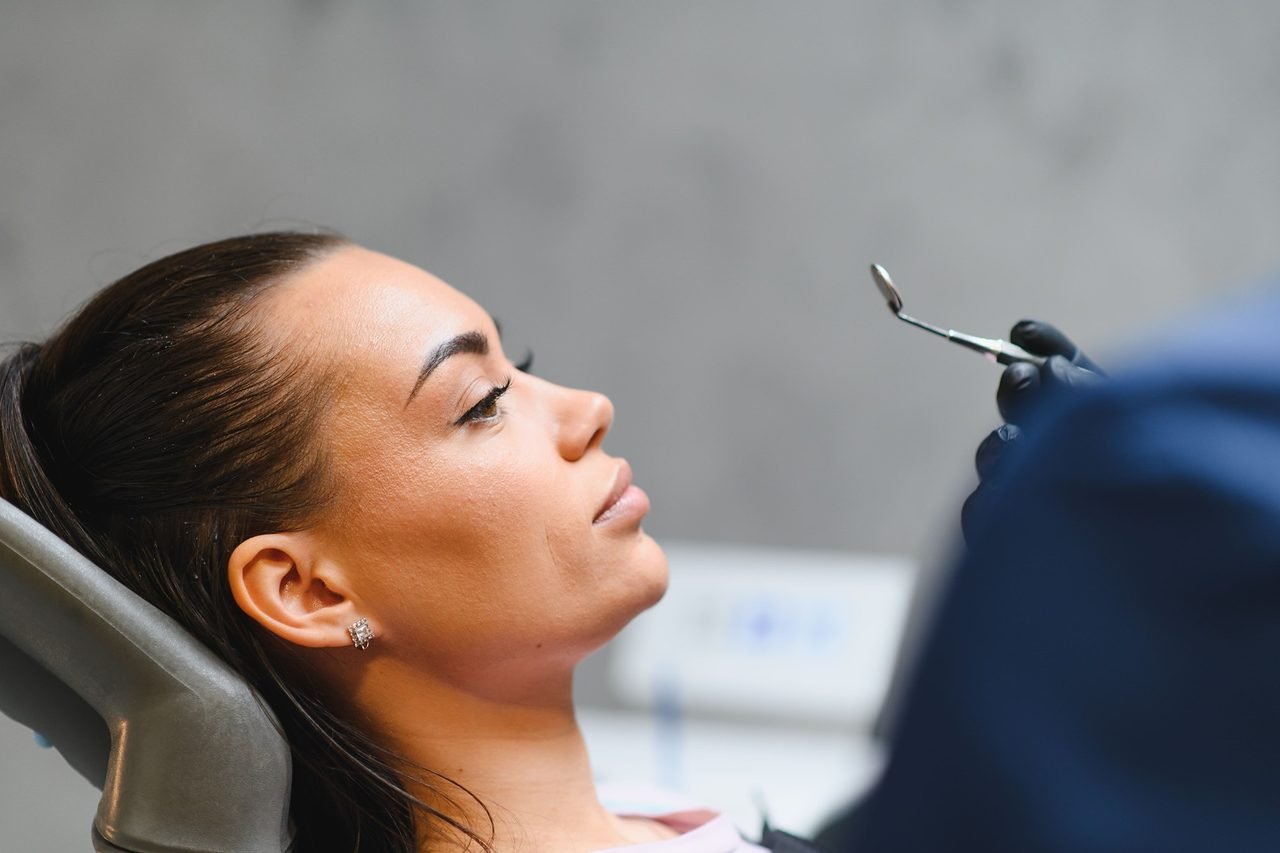
Dental Sleep Medicine at University Dental Group
Dental sleep medicine is one of our core service lines, and it goes beyond a conversation. We screen for signs of obstructive sleep apnea and offer treatment directly, including oral appliance therapy, snoring guards and Nightlase, alongside our broader general and family dentistry.
If snoring or sleep-related concerns have come up for you or someone in your household, dental sleep medicine is the service line built to address it directly, with options ranging from a snoring guard to oral appliance therapy. Family-owned since 1987, we treat it as one part of comprehensive care rather than a separate, standalone specialty visit.
Contact University Dental Group and ask about dental sleep medicine at your next visit.
Why This Often Comes Up During a Routine Visit
Because dental sleep medicine is folded into general dentistry here rather than treated as a separate specialty, it often surfaces naturally during a routine checkup instead of requiring you to book something different. You can see the full range of services we offer to get a sense of where it fits alongside everything else your dental team covers.
If you would rather raise it directly instead of waiting for it to come up, mentioning it to the University Dental Group team ahead of your appointment gives them a chance to plan time for that conversation.
When It Might Be Worth Bringing Up
There is no strict rule for when dental sleep medicine becomes relevant to you, since that depends on your own situation. That said, a few everyday observations are what usually prompt patients to bring it up.
If a partner or family member has commented on your snoring, or you feel tired even after what should have been a full night's sleep, bringing that up with the team is a reasonable starting point. They can help you understand whether it is worth exploring further and what that might involve.