Nobody notices coffee staining their teeth day to day. You notice it in a photograph, or against a white shirt, or when someone standing next to you has teeth that are visibly brighter than yours.
The good news is that most coffee discoloration is not baked into the tooth. It sits on the surface, and surface stain behaves very differently from the kind that develops inside the enamel. This guide covers the chemistry of why it happens, how to tell which type you are dealing with, which home habits genuinely reduce it, and what a dentist can and cannot remove.
Coffee stains teeth because its pigments bind to a thin protein film that coats enamel within minutes of brushing, and because its acidity leaves the surface more receptive to them. Most of that discoloration sits on the outside of the tooth, which is why a professional cleaning removes a good deal of it.
Why Coffee Stains Teeth in the First Place
Coffee stains teeth through two mechanisms working together. It carries dark pigment compounds called chromogens, along with tannins that help those pigments stick. And it is mildly acidic, which temporarily softens the outermost layer of enamel and makes it more receptive to anything colored that follows.
The part most people miss is the pellicle. Within minutes of brushing, a thin protein film from your saliva reforms across the enamel. It is protective and entirely normal, but it is also slightly sticky, and it is what the coffee pigment actually binds to. That is why staining accumulates gradually rather than washing off with the next glass of water.
Enamel itself is not perfectly smooth either. It has microscopic pits and ridges, and those get more pronounced with age and with abrasion from aggressive brushing. More texture means more surface area for pigment to settle into, which is part of why the same coffee habit shows up more on some people than others.
Surface Stain vs. Stain Inside the Tooth
Extrinsic stain sits on the outside of the enamel and comes from what touches your teeth: coffee, tea, red wine, dark sodas, curry, tobacco. Intrinsic stain lives inside the tooth structure and comes from other sources entirely, including trauma to a tooth, certain medications taken during childhood development, excess fluoride during enamel formation, and the natural thinning of enamel with age that lets the yellower dentin underneath show through. The distinction matters because a routine cleaning addresses one and not the other.
A rough way to tell them apart: extrinsic stain usually looks like a film or a shading that is heavier near the gumline and in the grooves between teeth, and it tends to lift noticeably after a cleaning. Intrinsic discoloration is more uniform, or concentrated in a single tooth, and it does not budge with polishing. Many adults have some of both, which is why an assessment beats guessing.
Habits That Reduce Staining, and Myths That Do Not Help
Nothing short of giving up coffee prevents staining entirely, and that is not the advice here. A few habits genuinely slow it down.
Rinsing with water after coffee clears the pigment before it has time to settle into the pellicle, and it is the single easiest change. Waiting roughly thirty minutes before brushing matters too, because enamel is temporarily softened by the acidity and brushing immediately can abrade the surface you are trying to protect. Drinking iced coffee through a straw reduces contact with the front teeth. Adding milk does appear to reduce staining potential, since the proteins bind some of the tannins before they reach your enamel.
On the myth side, charcoal toothpastes are the big one. A 2017 literature review published in the Journal of the American Dental Association found insufficient evidence to support the safety and effectiveness claims made for charcoal based dentifrices, and abrasive products can wear enamel over time, which makes staining worse rather than better in the long run. The American Dental Association's Seal of Acceptance program is a more reliable filter than packaging claims when choosing a whitening toothpaste. Baking soda and lemon juice mixtures fall in the same category: the acid does more damage than the brightening is worth, and the dentist you see would rather talk you out of it before the enamel is affected than after.
What a Professional Cleaning Can and Cannot Remove
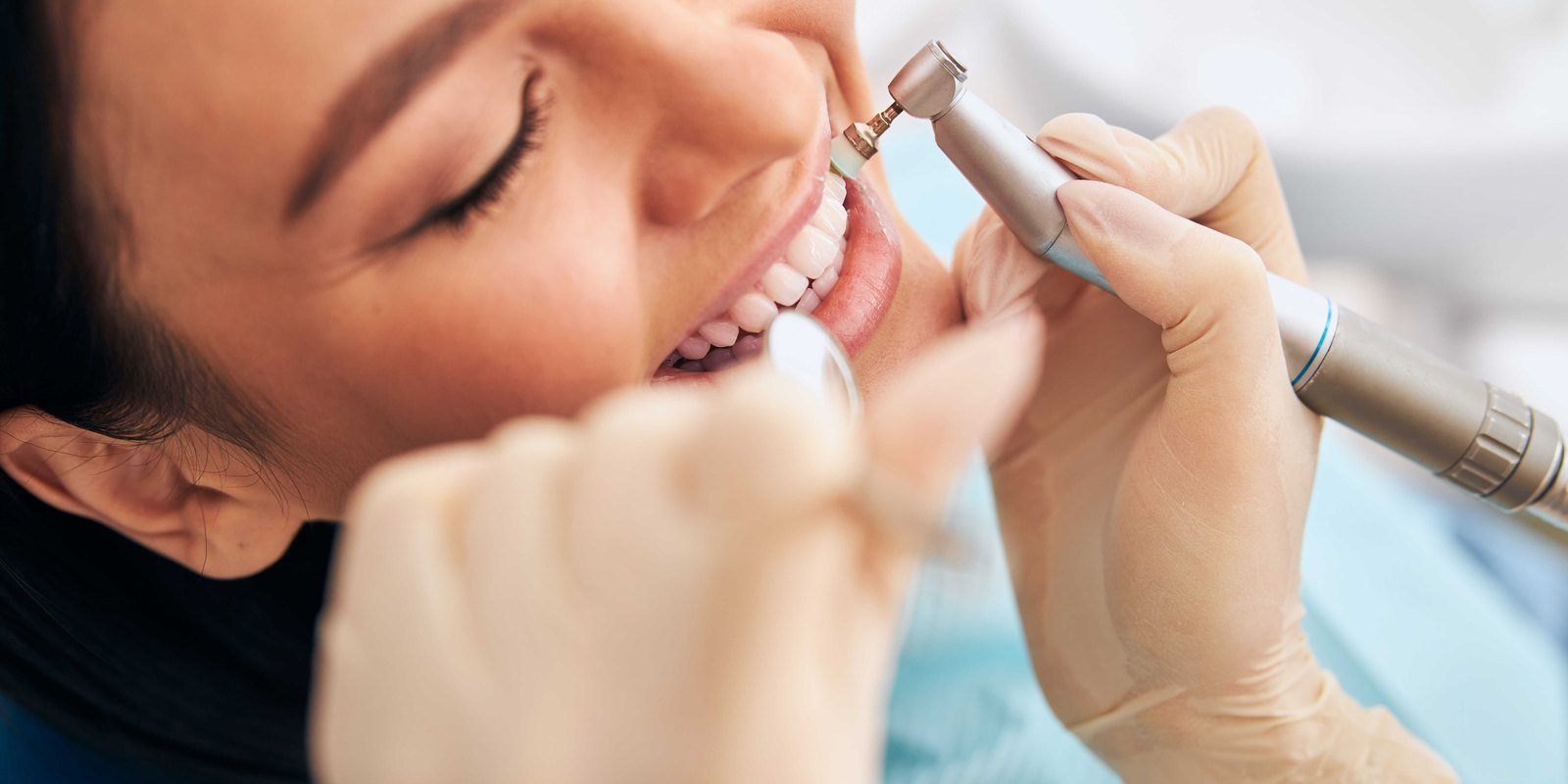
A cleaning removes extrinsic stain along with plaque and tartar. The polishing step uses a mildly abrasive paste and a rubber cup to lift the pigment layer off the enamel, and for patients whose discoloration is mostly surface level, the difference is visible the same day. Teeth also tend to hold less new stain immediately afterward, since a polished surface gives pigment less to grab.
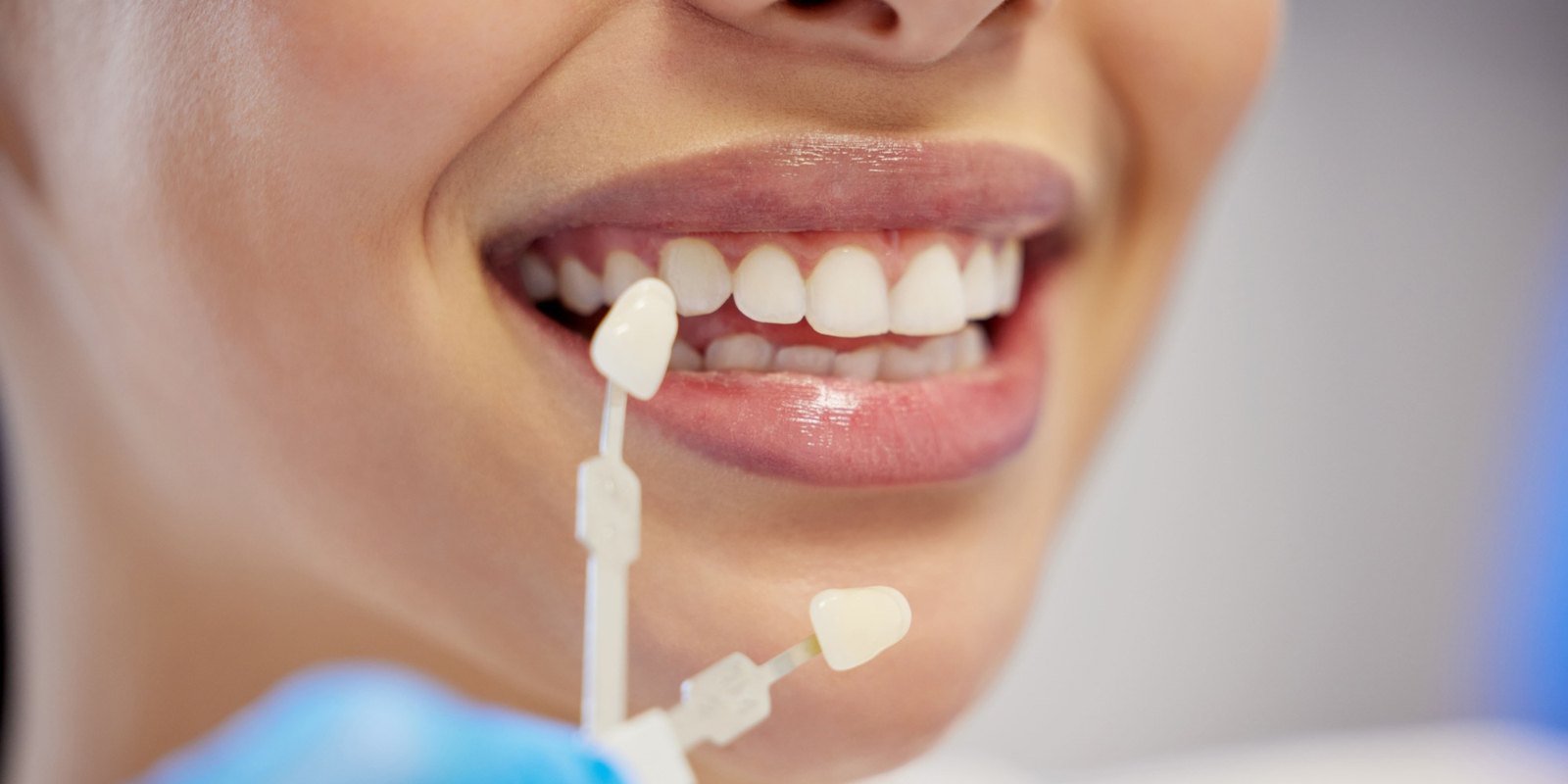
What a cleaning does not do is change the underlying shade of your enamel. If your teeth were a warmer tone before the coffee habit, they will still be that tone once the stain is gone. Setting that expectation in advance is the difference between leaving satisfied and leaving disappointed.
Stain that has built up over several years without a cleaning usually needs more chair time than a routine appointment allows, and heavy tartar that has trapped pigment underneath it has to come off before the polishing step can do anything useful.
When Stain Calls for Something Beyond a Cleaning
If a cleaning has already removed the surface layer and you still want a lighter shade, that goal moves out of preventive care and into cosmetic treatment. Whitening works by a different mechanism than polishing, acting on the color within the tooth structure rather than the film on top of it, and results vary by individual depending on the starting shade and the type of discoloration present.
One detail worth knowing before you plan anything: whitening agents do not change the color of dental materials. Crowns, veneers, bonded fillings and bridges keep the shade they were made in, so whitening natural teeth around an existing restoration can leave a visible mismatch. When restorations are in the front of the mouth, the sequence matters, and the conversation belongs with restorative treatment planning rather than being handled after the fact.
Schedule an evaluation with our Orlando team and we will tell you what a cleaning would realistically change.
Frequently Asked Questions
Does adding milk to coffee prevent staining?
It reduces the staining potential rather than eliminating it. Milk proteins bind some of the tannins that help pigment stick to enamel, so a latte is generally less staining than the same volume of black coffee. It does not remove the acidity or the pigment entirely, so rinsing with water afterward still helps.
Should I brush right after drinking coffee?
Wait about thirty minutes. Coffee is acidic enough to temporarily soften the outer layer of enamel, and brushing during that window can abrade the surface rather than clean it. Rinsing with plain water immediately is the better move, then brushing once the enamel has had time to remineralize.
Will a dental cleaning remove all my coffee stains?
It removes the extrinsic stain sitting on the enamel surface, which for many coffee drinkers is most of what they are seeing. It does not change the natural shade of the tooth underneath. If discoloration remains after a cleaning, it is likely intrinsic and would need a different approach.
Do whitening toothpastes work on coffee stains?
They work on surface stain, gradually and modestly, mostly through mild abrasives and polishing agents. They do not change the internal color of the tooth. Look for products carrying the American Dental Association's Seal of Acceptance, and avoid highly abrasive formulas that can wear enamel with daily use.
Is charcoal toothpaste safe for removing stains?
The evidence does not support it. A 2017 review in the Journal of the American Dental Association concluded there was insufficient evidence for the safety and effectiveness claims made about charcoal dentifrices. Abrasive products can also thin enamel over time, which exposes more of the yellower dentin underneath and makes teeth look darker, not lighter.
Why are my teeth still yellow after a cleaning?
Because a cleaning removes what is on the tooth, not what is in it. If the discoloration is intrinsic, coming from enamel thinning with age, past trauma, or developmental factors, polishing will not reach it. That is the point where a cosmetic evaluation makes sense rather than repeating cleanings more often.