Plaque and tartar come up in almost every conversation about cleanings, and the two words are often used as if they mean the same thing. They do not. They are related, since one turns into the other, but they behave differently, and that difference is a big part of why regular dental visits exist.
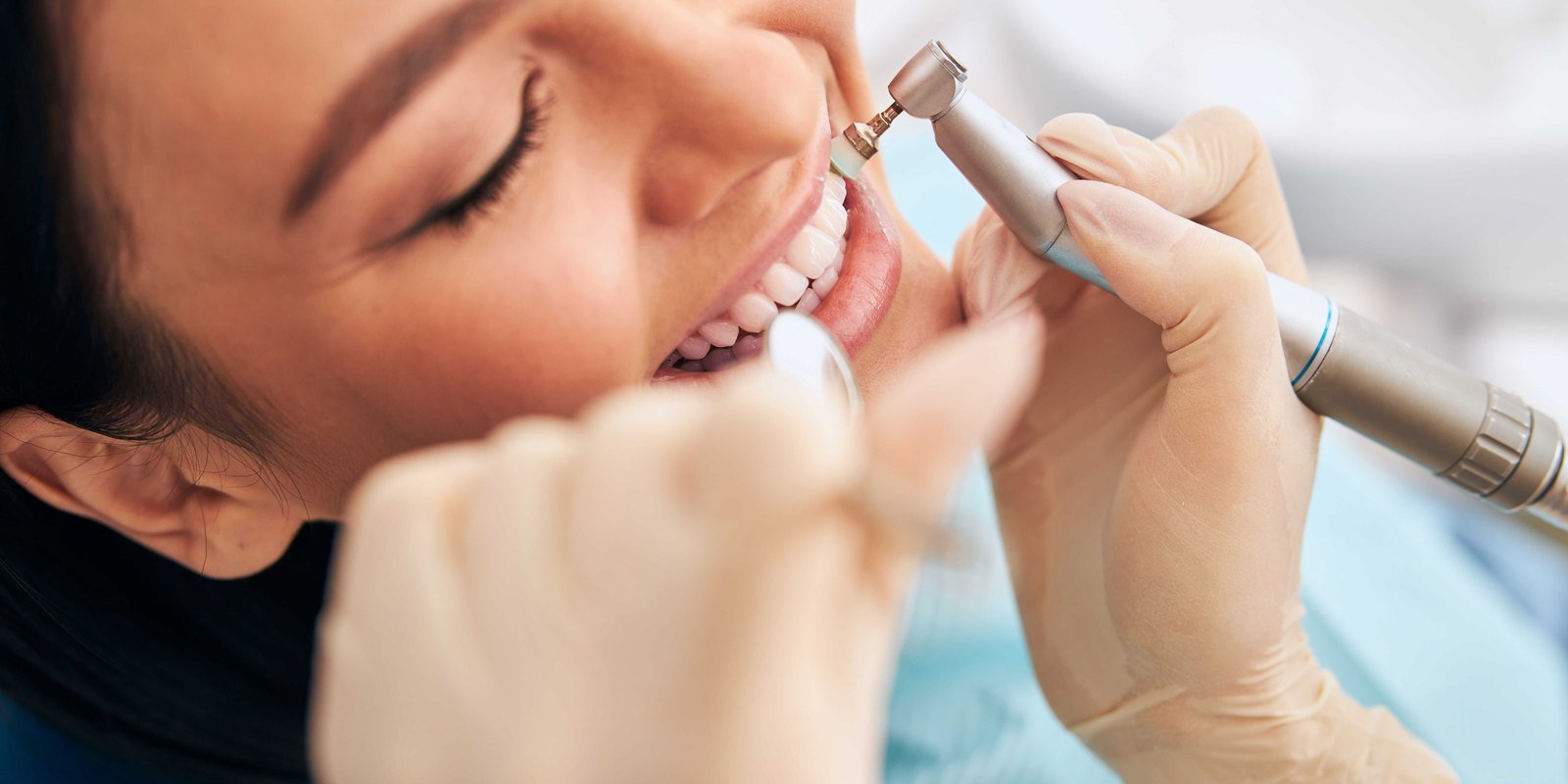
Plaque is a film of bacteria that coats the teeth. If it is not removed, it can harden into tartar, also called calculus, which is harder to keep clean and can leave gums swollen and bleeding when it collects above the gum line. University Dental Group's preventative services include routine cleanings every six months.
This guide explains in general terms what separates plaque from tartar, how one becomes the other, and where preventative and periodontal services fit in. It is general education, and a University Dental Group dentist is the right source for what is going on in your own mouth.
Plaque vs. Tartar at a Glance
According to MedlinePlus, from the U.S. National Library of Medicine, plaque is a bacteria-containing film that sticks to the teeth, and if it is not removed on a regular basis, it hardens into tartar, which is also called calculus. The table below summarizes how the two generally differ.
| Aspect | Plaque | Tartar |
|---|---|---|
| What it is | A sticky film of bacteria on the teeth | Plaque that has hardened, also called calculus |
| How it forms | Coats the teeth and can build up when it is not removed | Forms when plaque is left in place and eventually hardens |
| What it can contribute to | Tooth decay and gum disease | Makes teeth more difficult to keep clean, and above the gum line it is linked to swollen, bleeding gums |
| Daily brushing and cleaning between teeth | The recommended way to remove it | Harder to keep clean once it has formed |
| Where professional care fits | Routine dental visits are part of prevention | Routine cleanings remove buildup |
The practical takeaway is that plaque is the stage you can do the most about at home, and tartar is the stage where professional cleanings matter more.
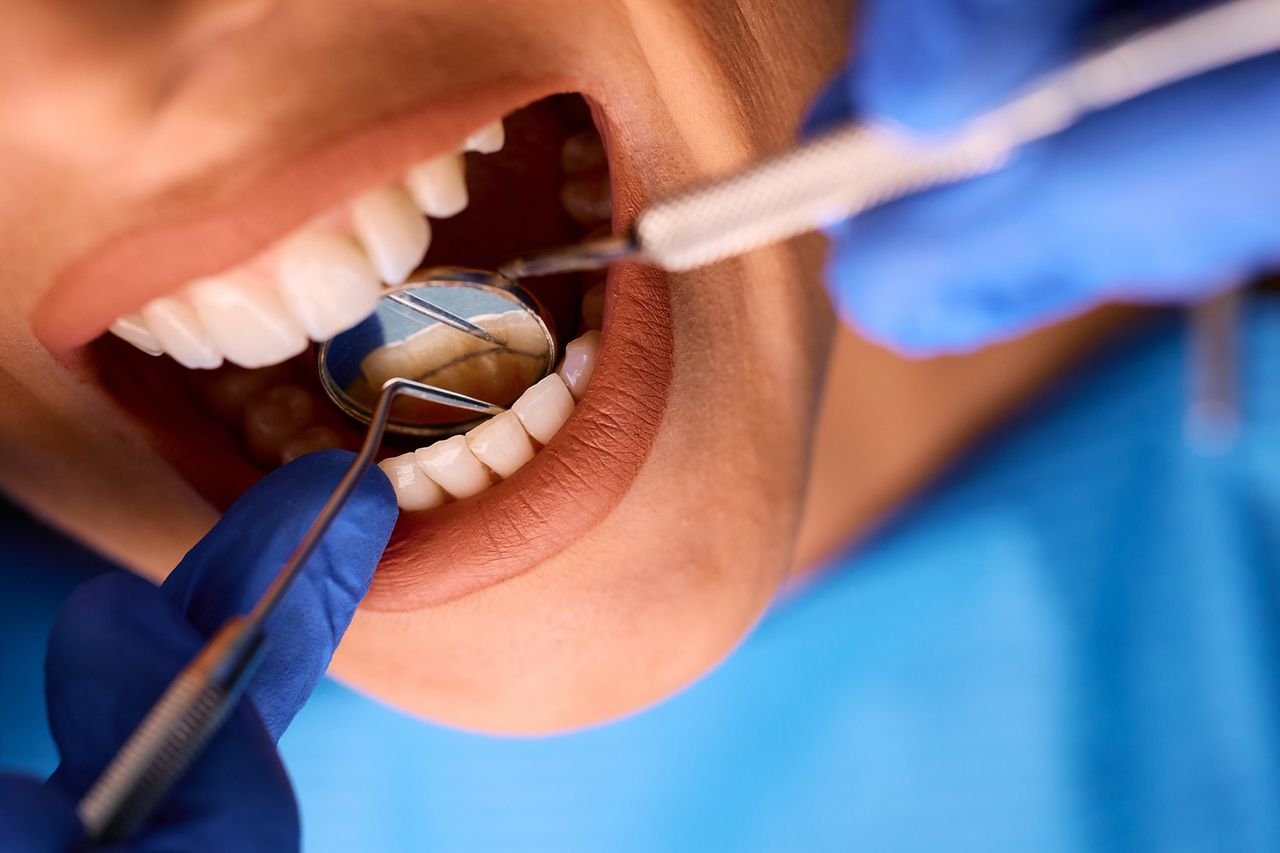
Plaque and tartar can both affect how teeth look and feel. A complete oral exam at University Dental Group looks at areas that are hard to check on your own, and that is part of what a routine visit adds beyond your daily routine.
How Plaque Becomes Tartar
Bacteria in plaque turn the sugar from meals and snacks into acid, and that acid can gradually erode the enamel that protects each tooth. If the erosion continues, it can end in a cavity, so plaque already causes trouble well before it hardens into tartar.
When plaque is left on the teeth day after day, it can set into tartar, which makes a thorough clean at home more difficult.
That is why the order matters. Plaque is the problem you can interrupt every day. Tartar is what is left when that daily routine does not fully reach everything, since even careful brushing can miss spots.
Routine Habits That Help
The habits that help prevent plaque buildup are short and consistent. The table below lists each one, along with the reason it is recommended, so you can see how daily care at home and routine dental visits fit together in practice.
| Habit | Why It Is Recommended |
|---|---|
| Brush twice a day with fluoride toothpaste | Removes plaque before it can harden |
| Clean between your teeth daily, such as with floss | Reaches spots a toothbrush can miss |
| Visit University Dental Group regularly | A thorough cleaning and exam are recommended at least every six months |
Even a careful routine can miss some plaque, which is one reason regular dental visits are recommended alongside daily habits, rather than instead of them.
Patients sometimes assume that good brushing means they do not need routine visits, or that routine visits mean daily habits matter less. Neither is true. The two work together, and your University Dental Group dentist can tell you how often visits make sense for you.
Preventative Services at University Dental Group
Preventative services are the routine side of dental care at University Dental Group, from six-month cleanings to complete oral exams with digital x-rays and a gum-tissue assessment, periodontal exams, fluoride and sealants. That routine care is what sits behind the advice to visit the dentist regularly.
If you are not sure whether you have plaque or tartar on your teeth, or you just want to stay ahead of it, the preventative services area is a natural place to start. The team at University Dental Group can say what, if anything, applies to your own situation.
For patients without insurance, the practice also offers membership plans whose Adult and Child options include two preventive cleanings a year, exams, X-rays as needed and two fluoride treatments.
Contact University Dental Group to ask about scheduling one.
When the Gums Are Involved
According to the American Dental Association, tartar that has built up above the gum line can leave the gums around it puffy and likely to bleed, a condition called gingivitis that marks the first stage of gum disease. University Dental Group notes that gingivitis is fully reversible with professional cleaning and good home care.
If you have noticed swollen gums, or bleeding when you brush or floss, that is worth mentioning to a University Dental Group dentist. The periodontal services there include gum disease treatment, from early gingivitis to advanced periodontitis, along with scaling and root planing and periodontal maintenance.
| What You Notice | Why It Is Worth Mentioning |
|---|---|
| Gums that look swollen | Can be a result of tartar above the gum line |
| Gums that bleed easily, including when you brush or floss | Can point to gingivitis, which is worth having checked |
| Red or puffy gums, bad breath that will not go away, or gum recession | Listed among the signs to watch for by University Dental Group |
The University Dental Group team can help you sort out what you are noticing and what makes sense as a next step.