

Clear aligners have become one of the most popular ways for Orlando adults and teens to straighten their teeth without the look of traditional braces. Invisalign uses a custom series of removable trays to move teeth gradually, and it fits easily into busy daily routines. If you are considering treatment locally, it helps to understand how the system works, who makes a good candidate, and what the process looks like from the first scan to the final tray. This guide covers each of those points.
Invisalign is a clear aligner system that straightens teeth using a custom series of removable trays. It can address crowding, gaps, and many bite issues without metal brackets. Good candidates are teens and adults with mild to moderate alignment needs who will wear the aligners consistently. Treatment starts with a digital scan and a personalized plan.
Invisalign in Orlando: What to Expect
Invisalign treatment in Orlando follows the same proven process used everywhere: a digital scan, a custom set of aligners, and periodic check-ins to track progress. What a local provider adds is convenient access for the regular visits that keep treatment on schedule.
Choosing a provider close to home makes the routine appointments and any quick adjustments far easier to keep. University Dental Group has been part of the Orlando community since 1987 and offers Invisalign as part of its orthodontic services. The sections below explain how the treatment works and how to tell whether it is a good fit for you.
How Invisalign Treatment Works
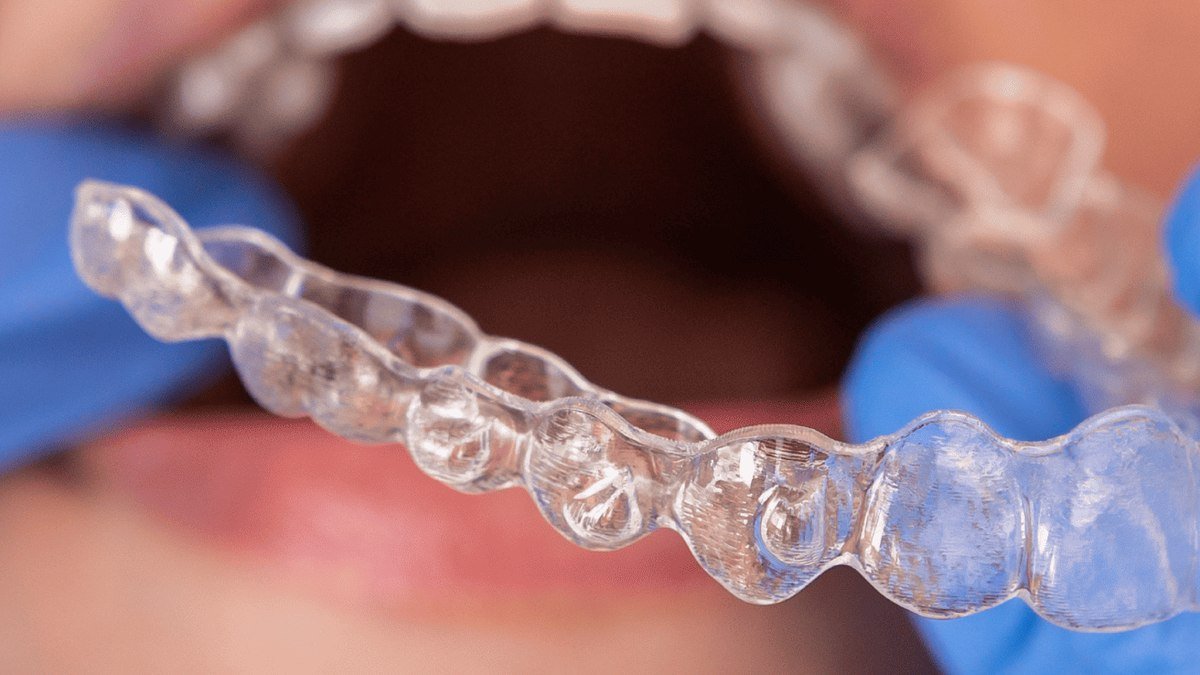
Invisalign straightens teeth with a sequence of clear, custom-made aligner trays, each worn for about one to two weeks before advancing to the next. Each tray applies gentle pressure to move the teeth a small step closer to their planned final position.
The system is designed to be worn 20 to 22 hours a day and removed only for eating, drinking anything other than water, and cleaning. Because the trays are nearly invisible and removable, treatment fits discreetly into work and social life. Invisalign can address common concerns such as crowding, spacing, and many bite issues. The result is guided by a digital treatment plan created at the start, so both the provider and the patient can see the projected outcome before treatment begins.
Who Is a Good Candidate for Invisalign?
Good candidates for Invisalign are teens and adults with mild to moderate alignment issues who are committed to wearing the aligners consistently. Healthy teeth and gums are a prerequisite, since active dental issues should be addressed first.
Invisalign works well for crowding, gaps, and many bite concerns, though very complex cases may be better served by braces. Because the aligners only move teeth while they are being worn, the system depends on patient discipline; this makes motivation an important part of candidacy. Before starting, our team checks for any underlying issues such as decay or gum disease, since healthy gums support stable, lasting results. A consultation with imaging confirms whether Invisalign is the right tool for your goals.
The Invisalign Process Step by Step
The process moves through four main stages: consultation, digital scan and planning, wearing the aligner series, and a retention phase to hold the results. Each stage builds on the one before it.
It begins with a consultation and exam to confirm candidacy. Next, a digital scan captures a precise 3D model of the teeth, which is used to design the full movement plan and fabricate the custom aligners. The patient then wears the trays in sequence, advancing roughly every one to two weeks, with periodic check-ins to confirm the teeth are tracking to plan. Once the teeth reach their final positions, a retainer holds them in place, since teeth naturally tend to shift over time. Our team guides patients through each stage and schedules visits to keep treatment on track.
Caring for Your Aligners
Caring for Invisalign aligners is straightforward: rinse and clean them daily, store them in their case when not in use, and keep up with normal brushing and flossing. Good habits protect both the trays and the teeth underneath them.
Aligners should be cleaned gently with a soft brush and lukewarm water, never hot water, which can warp the plastic. Because the trays are removed for meals, there are no food restrictions, but teeth should be brushed before reinserting the aligners so food particles are not trapped against the enamel. Keeping aligners in their case when out prevents loss and damage. Routine preventive care during treatment keeps teeth and gums healthy while they move.
Choosing a Local Orlando Provider
A nearby provider makes the regular check-ins and any quick fixes much easier to fit into your schedule, which helps keep treatment on track. Convenience and continuity of care are practical advantages of choosing locally.
Invisalign treatment involves periodic appointments to monitor progress and, occasionally, a visit to replace a lost or damaged tray. A local Orlando provider keeps those visits short and convenient, reducing the temptation to skip them. It also means the same team that planned your treatment is the one tracking it to completion. University Dental Group combines modern technology with a long history in the community, and our team is available to answer questions at every stage.
A consultation with a digital scan is the best way to see whether Invisalign fits your smile goals. Request your appointment online or call (321) 850-5990.
Frequently Asked Questions
How long does Invisalign treatment take?
Treatment length depends on the complexity of the case and how consistently the aligners are worn. Many mild to moderate cases progress steadily when the trays are worn 20 to 22 hours a day. A consultation with imaging is needed to estimate a realistic timeline for your specific situation.
Does Invisalign hurt?
Most patients feel mild pressure for a day or two when switching to a new aligner tray, which is a sign the teeth are moving. The aligners have smooth edges and no brackets or wires, so they tend to cause less irritation than traditional braces. Any discomfort is usually temporary.
Can I eat with Invisalign in?
No, the aligners should be removed before eating and before drinking anything other than water. This is actually a benefit, since there are no food restrictions. Just brush your teeth before putting the aligners back in so food particles are not trapped against the enamel.
How often do I need to visit the dentist during Invisalign?
Periodic check-ins are scheduled to confirm the teeth are tracking to plan, often every several weeks, though the exact spacing varies by case. Choosing a local Orlando provider makes these visits easier to keep and helps treatment stay on schedule.
Will I need a retainer after Invisalign?
Yes. Teeth naturally tend to shift over time, so a retainer is used after treatment to hold them in their new positions. Wearing the retainer as directed is an important part of maintaining your results long term.