
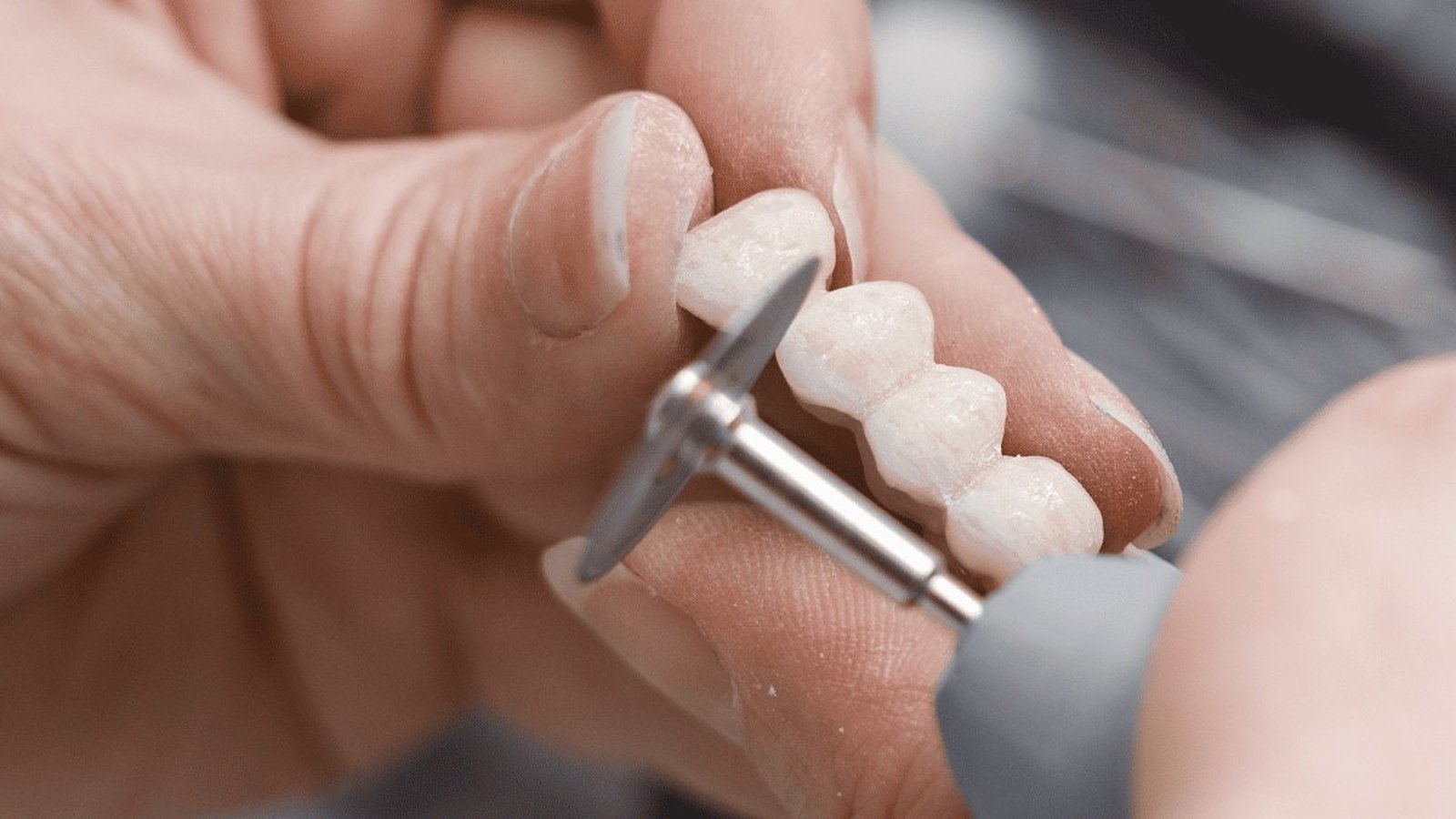
When you lose a tooth, two of the most common replacement options are a dental implant and a fixed dental bridge. Both restore the look and function of a missing tooth, but they work in very different ways and suit different situations. One replaces the tooth root itself, while the other relies on the neighboring teeth for support. This guide breaks down how each option works, how they compare on durability and bone health, and the factors that help determine which is the better fit for your mouth and goals.
Dental implants replace a missing tooth root with a titanium post topped by a crown, while a dental bridge spans the gap by anchoring to the neighboring teeth. Implants preserve jawbone and leave adjacent teeth untouched, but bridges are often faster to place. The right choice depends on bone health, adjacent teeth, timeline, and budget.
Dental Implants vs. Bridges: The Key Differences
The core difference is structural: a dental implant replaces the missing tooth root with a titanium post placed in the jaw, while a dental bridge fills the gap with an artificial tooth held in place by crowns on the adjacent teeth. Implants stand alone; bridges depend on neighbors.
This single distinction drives most of the trade-offs between the two. Because an implant integrates with the jawbone, it stimulates the bone the way a natural root does and does not require altering healthy adjacent teeth. A bridge, by contrast, requires reshaping the two teeth on either side of the gap so they can support the crowns that anchor the replacement tooth. Both options are part of the restorative services our team provides, and the comparison below covers the factors that usually matter most to patients.
What Is a Dental Implant?
A dental implant is a small titanium post surgically placed into the jawbone to act as an artificial tooth root. Once it integrates with the bone, a custom crown is attached on top, creating a replacement tooth that stands independently of the surrounding teeth.
Implant treatment usually happens in stages. The post is placed first, then a healing period of several months allows osseointegration, the process by which bone fuses to the titanium surface. After integration, an abutment and crown complete the restoration. Because the implant replaces the root, it helps maintain jawbone volume in the area, which can otherwise shrink after tooth loss. Implants are also used in larger configurations to support full-arch restorations for patients missing many teeth, an option our team reviews during a dental implant consultation.
What Is a Dental Bridge?
A dental bridge replaces one or more missing teeth by joining artificial teeth to crowns that fit over the natural teeth on either side of the gap. The supporting teeth, called abutment teeth, carry the load of the replacement tooth in the middle.
Placing a traditional bridge typically takes two visits and does not involve oral surgery, which is one reason some patients choose it. The abutment teeth are reshaped to receive crowns, impressions are taken, and the finished bridge is cemented into place. The trade-off is that healthy enamel is permanently removed from the supporting teeth, and the bridge does not address bone loss underneath the missing tooth. If the abutment teeth already have large fillings or signs of decay, a bridge can sometimes serve a dual purpose by restoring them at the same time.
Comparing Durability, Bone Health, and Maintenance
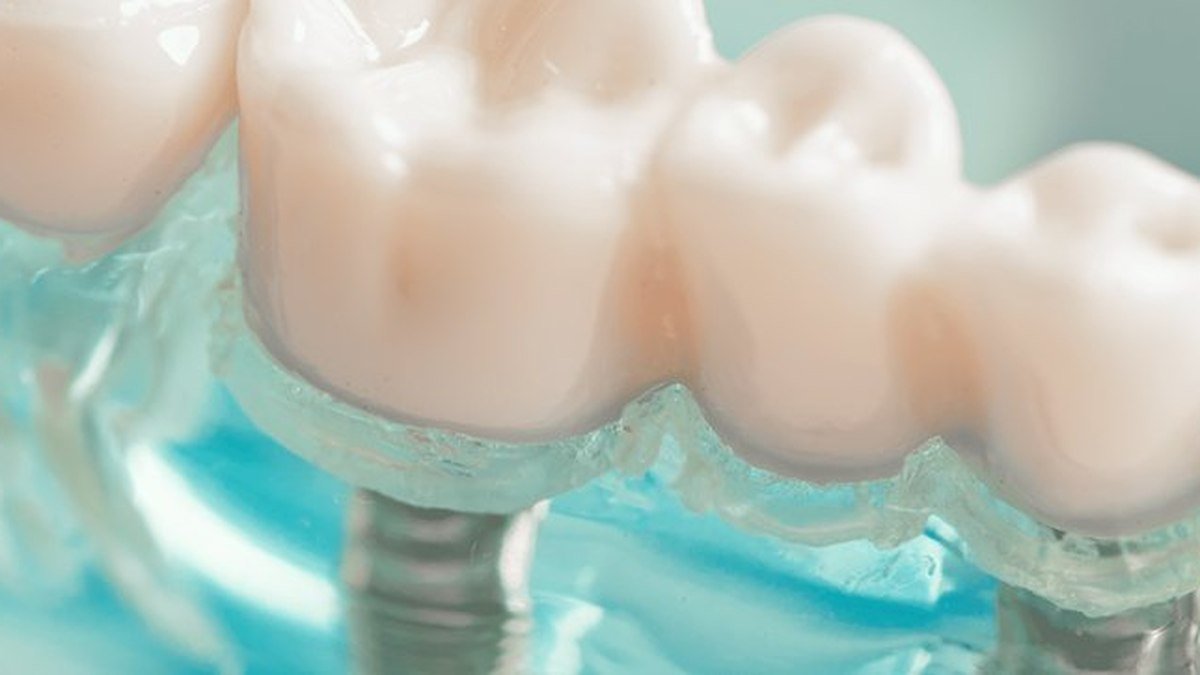
Implants generally offer the longest lifespan and the best protection for jawbone health, while bridges are reliable but place ongoing demand on the supporting teeth. Maintenance differs too: implants are cleaned like natural teeth, whereas bridges need special flossing underneath.
With good oral hygiene and regular checkups, dental implants can last for decades, and many remain functional for life. Bridges are durable as well but typically have a shorter service life because the cement seal and the abutment teeth can eventually wear or develop decay. On bone health, the implant has a clear advantage: it preserves bone through stimulation, while the area beneath a bridge continues to resorb over time. For cleaning, an implant is brushed and flossed like a natural tooth, but a bridge requires threading floss or using a water flosser beneath the artificial tooth. Keeping the gums healthy around either restoration matters, which is where periodontal care plays a supporting role.
What Affects the Cost of Each Option
The investment in either option depends on case complexity, the materials chosen, and whether additional procedures are needed, rather than a single fixed figure. Implants and bridges have different cost structures because they involve different procedures and timelines.
A bridge usually has a lower upfront investment and a shorter timeline because it does not involve surgery or a months-long integration period. An implant often represents a larger initial investment but can be more cost-effective over the long run because it does not rely on neighboring teeth and tends to last longer. Factors that influence either option include the number of teeth being replaced, the condition of surrounding teeth and bone, and the materials selected for the crown or bridge. University Dental Group offers in-house membership plans for patients without insurance, and we review the complete financial picture during the consultation.
How to Choose Between an Implant and a Bridge
The right choice comes down to your bone health, the condition of the adjacent teeth, your timeline, and your long-term goals. There is no universally better option; there is only the option that fits your specific situation.
An implant is often preferred when the adjacent teeth are healthy and untouched, when preserving jawbone is a priority, and when a longer treatment timeline is acceptable. A bridge may be the better fit when the neighboring teeth already need crowns, when surgery is not advisable for health reasons, or when a faster solution is important. A thorough exam, including 3D imaging and an evaluation of bone and gum health, is the only reliable way to determine which option suits you. Our team walks through both paths so the decision is informed.
The clearest way to decide between an implant and a bridge is a consultation with 3D imaging and a look at your bone and gum health. Request your appointment online or call (321) 850-5990.
Frequently Asked Questions
Which lasts longer, a dental implant or a bridge?
Dental implants generally last longer than bridges. With proper care, implants can function for decades and often for life, while bridges typically have a shorter service life because the supporting teeth and cement seal can wear over time. Individual results depend on oral hygiene, bone health, and routine professional care.
Is a dental bridge or implant better for bone health?
Implants are better for preserving jawbone. The titanium post stimulates the bone the way a natural root does, helping maintain its volume. A bridge does not replace the root, so the bone beneath the missing tooth can continue to shrink over time.
Does getting a bridge damage the neighboring teeth?
Placing a traditional bridge requires reshaping the two adjacent teeth so they can hold the supporting crowns, which permanently removes some enamel. This is a key reason many patients consider an implant, which leaves the neighboring teeth untouched.
Is the dental implant procedure painful?
Implant placement is performed under local anesthesia, often with sedation for comfort, so most patients report minimal discomfort during the procedure. Mild soreness afterward is usually managed with over-the-counter or prescribed medication and resolves within a few days.
How do I know which option is right for me?
A consultation that includes an exam, 3D imaging, and a review of your bone health, adjacent teeth, and goals is the most reliable way to decide. Both options restore function and appearance, so the best choice depends on your specific clinical situation and priorities.