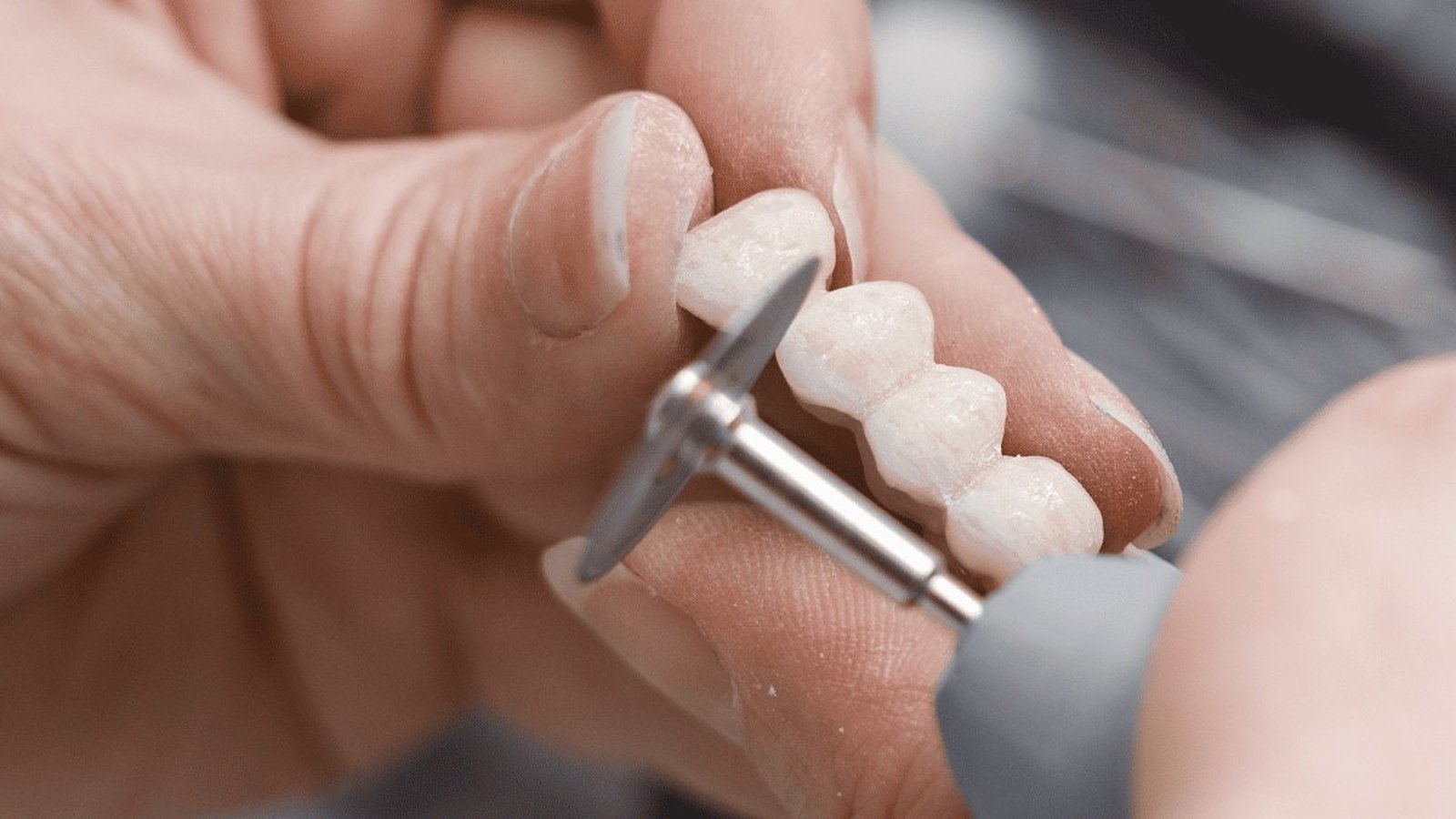

A dental crown is one of the most common ways to save and protect a tooth that is cracked, worn, or heavily filled. It fits over the whole visible tooth like a cap, restoring its strength, shape, and appearance. Crowns are versatile, since they can top a tooth after a root canal, anchor a bridge, or improve a misshapen tooth. This guide explains what dental crowns are, the common reasons a dentist recommends one, the materials crowns are made from, how they compare to other restorative options, and how to care for one, with restorative dentistry available at University Dental Group in Orlando.
A dental crown is a custom cap that covers a damaged, weakened, or heavily restored tooth to protect it and restore its shape and function. University Dental Group in Orlando offers crowns as part of its restorative dentistry, alongside bridges, full-mouth restoration, and dentures. A dentist decides if a crown is the right fit during an exam.
What Is a Dental Crown?
A dental crown is a custom-made cap that covers the entire visible portion of a tooth. It restores a tooth that is too damaged for a simple filling, rebuilding its shape, size, strength, and appearance. Once placed, a well-fitted crown functions and looks much like a natural tooth.
Crowns are a core part of restorative dentistry. At University Dental Group, crowns are offered alongside bridges, full-mouth restoration, and dentures as part of the practice's restorative dental services in Orlando. A crown can stand alone as the restoration for a single tooth, or it can work with other treatments, such as capping a tooth after a root canal or supporting a bridge.
Common Reasons You Might Need a Crown
A dentist may recommend a crown to protect a weak or cracked tooth, to rebuild a tooth broken by decay or injury, to restore a tooth after a root canal, to replace a very large old filling, to cover a dental implant, or to improve the shape or color of a tooth. Not every damaged tooth needs one.
When decay or a fracture removes too much tooth structure for a filling to hold, a crown wraps and reinforces what remains. After root canal therapy, a crown often protects the treated tooth from breaking, since it can become more brittle. A dentist evaluates the tooth and your bite to decide whether a crown, a filling, or another option is the better choice for you.
Types of Dental Crown Materials
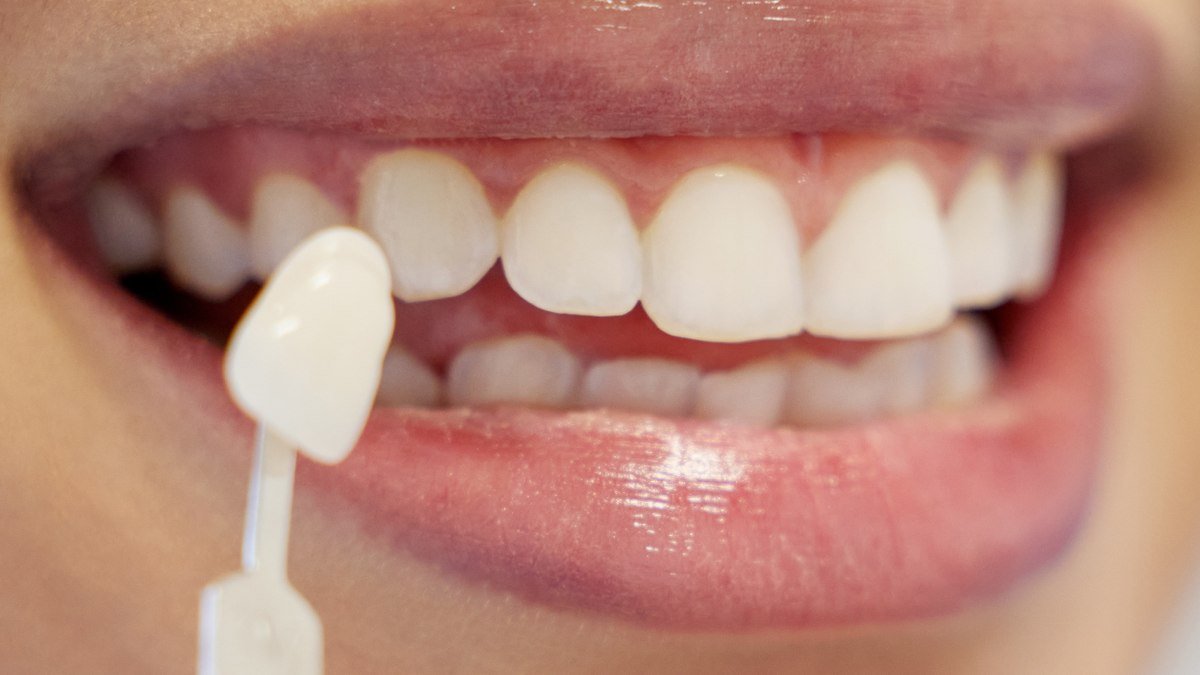
Crowns can be made from several materials, including all-ceramic options such as porcelain, zirconia, and lithium disilicate, as well as metal or porcelain-fused-to-metal. Each has tradeoffs in strength, appearance, and where in the mouth it performs best. The right material depends on the tooth and your priorities.
All-ceramic crowns are popular for front teeth because they look natural and blend with surrounding teeth. Stronger ceramics such as zirconia and lithium disilicate hold up well on back teeth that handle heavy chewing. Older porcelain-fused-to-metal crowns are durable but can show a darker line near the gum over time. For a crown chosen mainly to improve appearance, University Dental Group also offers cosmetic options through its dental and facial aesthetics services.
Crowns vs. Other Restorative Options
A crown covers and protects a single damaged tooth. A filling repairs a smaller area of decay, a bridge replaces one or more missing teeth using crowns on the teeth on either side, and a dental implant replaces a missing tooth at the root. The best option depends on how much healthy tooth remains.
If enough natural tooth is left, a filling may be all that is needed. When a tooth is heavily damaged but still present, a crown protects it. When a tooth is already missing, a bridge or an implant replaces it instead. University Dental Group provides these restorative treatments together, so a dentist can compare options and recommend the one that best fits your situation during a consultation.
Caring for Your Dental Crown
A crown itself does not get cavities, but the natural tooth underneath still can, so daily brushing and flossing remain essential. With good hygiene and regular checkups, crowns can last many years. Avoiding very hard foods and addressing habits like teeth grinding helps a crown last longer.
Treat a crowned tooth like any other: brush twice a day, floss around it, and keep up with routine cleanings and exams so the dentist can check the crown and the gum around it. For families managing ongoing care, University Dental Group offers in-house membership plans that include a discount on additional treatments. If a crown ever feels loose or uncomfortable, contact the office promptly.
An exam is the best way to confirm whether a crown or another restoration is right for your tooth. Schedule an appointment or call (321) 850-5990.
Frequently Asked Questions
How long do dental crowns last?
With good oral hygiene and regular checkups, dental crowns can last many years. Longevity depends on the material, the tooth, your bite, and habits such as grinding. Keeping up with cleanings and avoiding chewing very hard objects helps protect the crown over the long term.
Does getting a crown hurt?
The tooth is numbed before the dentist prepares it, so the procedure itself is not painful. Some patients feel mild sensitivity afterward that usually fades within a few days. If you have dental anxiety, ask the team about comfort options before your appointment begins.
What is the difference between a crown and a filling?
A filling repairs a small area of decay within a tooth, while a crown covers and protects the entire visible tooth. Dentists generally use a filling when enough healthy tooth remains and a crown when a tooth is too weak or damaged for a filling to hold.
Can a crowned tooth still get a cavity?
Yes. The crown itself does not decay, but the natural tooth underneath and the gumline around it can. That is why brushing, flossing, and regular dental visits stay important even after a tooth is crowned. Your dentist checks the crown and surrounding tooth at each visit.
What are dental crowns made of?
Crowns can be made from all-ceramic materials such as porcelain, zirconia, and lithium disilicate, or from metal and porcelain-fused-to-metal. Ceramic crowns look natural and are common for visible teeth, while stronger materials are often chosen for back teeth. Your dentist recommends the best material for your tooth.
Do I need a crown after a root canal?
Often, yes. A tooth that has had a root canal can become brittle and more likely to fracture, so a crown is frequently placed to protect it. Your dentist will decide based on which tooth was treated and how much healthy structure remains.
How do I know if I need a crown or a bridge?
A crown restores a single damaged tooth that is still in place, while a bridge replaces one or more missing teeth. If your tooth is broken but present, you likely need a crown; if a tooth is missing, a bridge or an implant may be recommended. A dentist confirms the right option during an exam.